
Introduction
The part of our overall well-being. It affects how we feel, think, and act in our daily lives. However, when mental health issues arise, they can have a significant impact on our relationships with others.
Poor mental health in relationships can lead to misunderstandings, conflicts, and even breakups. In this blog post, we will explore the effects of poor mental health on relationships and why it’s important to prioritize mental health in any relationship. So buckle up and get ready to learn more about the crucial role of mental health in relationships!
hhttps://chatkharanews.com/exercise-for-better-mental-health-how-to-get-started/
Mental health disorders can negatively affect relationships.
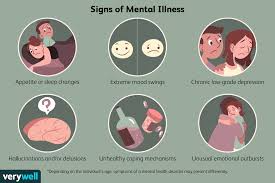
Mental health disorders can negatively affect relationships in many ways. When one partner is struggling with poor mental health, it can put a strain on the relationship and make it difficult to maintain a healthy connection. This can lead to feelings of frustration, resentment, and even anger.
One of the most common effects of poor mental health on relationships is communication breakdown. When someone is struggling with anxiety or depression, they may find it difficult to express their emotions or communicate effectively with their partner. This can lead to misunderstandings, arguments, and a breakdown in trust.
Another effect of poor mental health on relationships is a lack of intimacy. When someone is dealing with depression or anxiety, they may feel disconnected from their partner and struggle to engage in physical or emotional intimacy. This can lead to feelings of loneliness and isolation, which can further exacerbate their mental health issues.
Poor mental health can also impact the ability to maintain healthy boundaries within a relationship. Someone who is struggling with anxiety or depression may have difficulty setting boundaries or expressing their needs within the relationship. This can lead to codependency or an unhealthy dynamic where one partner feels responsible for the other’s well-being.
In some cases, poor mental health can even lead to infidelity or other forms of betrayal within a relationship. When someone is struggling with depression or anxiety, they may seek out validation or comfort from others outside the relationship. This can lead to feelings of guilt and shame, as well as further damage to the relationship.
It’s important for couples to recognize the impact that poor mental health can have on their relationship and take steps to address these issues together. This may involve seeking therapy or counseling, practicing better communication skills, setting healthy boundaries, and finding ways to support each other through difficult times.
Symptoms of mental illness can make communication and intimacy more difficult
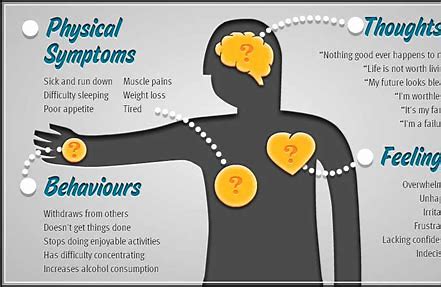
The effects of poor mental health on relationships can be devastating. Mental illness can affect not only the individual, but also their loved ones. Symptoms of mental illness can make communication and intimacy more difficult, leading to feelings of isolation and frustration.
One of the most common symptoms of mental illness is a lack of energy or motivation. This can make it difficult for individuals to engage in activities with their partners or even communicate effectively. They may withdraw from social situations and become less interested in spending time with their loved ones.
Another symptom that can impact relationships is mood swings. Individuals with mental illness may experience extreme highs and lows, making it challenging for their partners to understand and support them. They may lash out or become irritable unexpected, causing tension and strain in the relationship.
Depression is another common mental health issue that can negatively affect relationships. It can cause individuals to feel hopeless, worthless, and unmotivated, leading to a lack of interest in activities they once enjoyed. This can make it difficult for partners to connect and enjoy each other’s company.
Anxiety is another condition that can impact relationships. Individuals with anxiety may struggle with trust issues, making it challenging for them to open up emotionally to their partners. They may also have difficulty communicating about their fears and worries, leading to misunderstandings and tension.
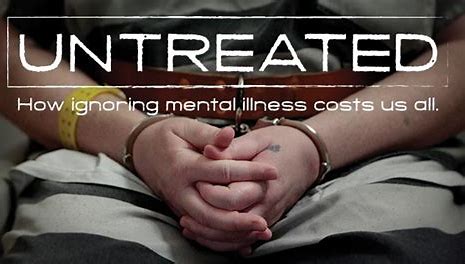
Untreated mental illness can lead to increased conflict in relationships
Tonality is the way in which we use our voice to convey emotions and attitudes. It includes aspects such as pitch, volume, and pace of speech. Our tonality can have a significant impact on how others perceive us and the message we are trying to convey.
When it comes to relationships, tonality plays a crucial role in effective communication. Couples who can communicate effectively often have a good understanding of each other’s tonality and how it affects their interactions. They can adjust their own tonality to match their partner’s, which helps them connect better.
However, untreated mental illness can lead to increased conflict in relationships due to changes in tonality. For example, someone with depression may speak in a monotone voice or sound disinterested, which can be misinterpreted as being dismissive or uncaring by their partner. Similarly, someone with anxiety may speak quickly and loudly, which can be perceived as aggression or anger.
It is important for individuals with mental illness to seek treatment not only for their own well-being, but also for the health of their relationships. Therapy can help individuals learn coping mechanisms for managing symptoms that affect tonality, such as practicing mindfulness or deep breathing exercises.
In addition, couples therapy can help partners understand each other’s tonality better and develop strategies for effective communication. By addressing these issues early on, couples can prevent conflicts from escalating and maintain healthy relationships.
Recovery from mental illness is possible with treatment and support.
Recovery from mental illness is possible with treatment and support. This is an important message to remember when it comes to mental health in relationships. Mental illness can put a strain on any relationship, but it doesn’t have to be the end of the relationship. With the right support and treatment, individuals can recover from their mental illness and continue to have healthy relationships.
It’s important for both partners in a relationship to understand the impact that mental illness can have on their relationship. It’s not uncommon for individuals with mental illness to experience mood swings, anxiety, depression, and other symptoms that can make it difficult for them to communicate effectively or maintain healthy boundaries.
However, with the right support and treatment, these symptoms can be managed effectively. Therapy, medication, and other forms of treatment can help individuals with mental illness manage their symptoms and improve their overall well-being. Additionally, partners can provide emotional support by being understanding and patient during difficult times.
It’s also important for both partners in a relationship to prioritize self-care. This means taking care of one’s physical and emotional needs through activities like exercise, meditation, therapy, or spending time with friends and family. By prioritizing self-care, individuals are better equipped to manage their own mental health and provide support to their partner.
In conclusion, poor mental health can have a significant impact on relationships. Symptoms such as lack of energy, mood swings, depression, and anxiety can make communication and intimacy more challenging. It’s essential for individuals with mental illness to seek treatment and support from loved ones to maintain healthy relationships. If you or someone you know is struggling with mental health issues, don’t hesitate to reach out for help today.
Tonality plays a vital role in effective communication within relationships. Untreated mental illness can lead to changes in tonality that may negatively impact relationships. Seeking treatment for mental health issues is crucial for maintaining healthy relationships and preventing conflicts from escalating.
Conclusion
Recovery from mental illness is possible with treatment and support. Mental health in relationships requires understanding, patience, and effective communication. By prioritizing self-care and seeking professional help when needed, individuals can manage their symptoms effectively and maintain healthy relationships with their partners. Remember: you are not alone in this journey towards recovery!

