
Introduction
Are you feeling overwhelmed, stressed, or anxious? Do you want to improve your mental health but don’t know where to start? Well, the answer might be simpler than you think. Exercise! Yes, that’s right. Exercise has been proven time and time again to have a positive impact on mental health.
In this blog post, we’ll explore how exercise can improve your mental well-being and give you practical tips on how to incorporate it into your daily routine. So grab a pen and paper because by the end of this post, you’ll have all the tools you need to start improving your mental health through exercise!
https://chatkharanews.com/the-power-of-positive-thinking-inspiration-career-quotes-for-success/
The benefits of exercise for better mental health
Exercise is often associated with physical health and weight loss, but did you know that it can also have a positive impact on your mental health? In fact, regular exercise has been shown to reduce symptoms of anxiety and depression, improve mood, and enhance overall well-being. If you’re looking for a natural way to boost your mental health, then exercise may be just what you need.
One of the key benefits of exercise for mental health is its ability to reduce stress. When we exercise, our bodies release endorphins, which are natural chemicals that help us feel good. These endorphins act as a natural painkiller and can help to reduce feelings of stress and anxiety. Additionally, exercise can help us to feel more confident and controlling our lives, which can further reduce stress levels.

Another benefit of exercise for mental health is its ability to improve sleep quality. Many people who struggle with anxiety or depression also have trouble sleeping at night. Exercise can help to regulate our sleep patterns by increasing the amount of deep sleep we get each night. This deep sleep is essential for repairing our bodies and minds, and it can help us wake up feeling refreshed and energized.
Exercise has also been shown to increase self-esteem and confidence. When we set goals for ourselves and achieve them through exercise, we feel a sense of accomplishment that can carry over into other areas of our lives. This increased confidence can help us tackle challenges with a more positive attitude and outlook.
If you’re looking to incorporate more exercise into your routine for better mental health, start small. Even just 30 minutes of moderate-intensity exercise per day can make a big difference in how you feel, both physically and mentally. Try going for a walk or jog outside, taking a yoga class, or lifting weights at the gym.
How to get started with exercising
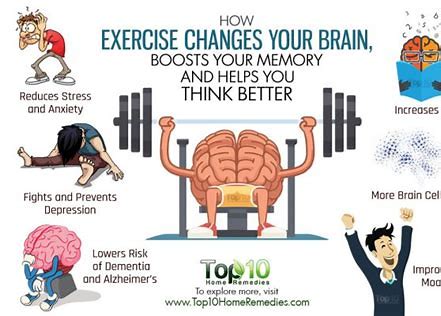
It’s no secret that exercise is good for our physical health, but did you know it’s also great for our mental health? Studies have shown that regular exercise can help reduce symptoms of anxiety and depression, improve mood and self-esteem, and even increase cognitive function. If you’re looking to improve your mental health, here are some tips on how to get started with exercising.
Start small
If you’re new to exercise or haven’t been active in a while, it’s important to start small. Begin with 10-15 minutes of light exercise, such as walking or stretching, and gradually increase the duration and intensity as your fitness level improves.
Find an activity you enjoy
The key to sticking with an exercise routine is finding an activity you enjoy. Whether it’s dancing, swimming, hiking, or yoga, choose an activity that makes you happy and motivates you to keep moving.
Set realistic goals
Setting realistic goals can help keep you motivated and on track. Start with small goals, such as exercising three times a week for 30 minutes each time, and gradually work your way up to larger goals.
Make it social
Exercising with others can be a great way to stay motivated and have fun. Join a fitness class or find a workout buddy who shares your interests.
Be kind to yourself
Remember that progress takes time and setbacks are normal. Be kind to yourself and celebrate your accomplishments along the way.
BENEFITS OF EXERCISE FOR BETTER MENTAL HEALTH
Exercise is not just good for your physical health but also has a positive impact on your mental health. It is a well-known fact that physical activity helps in reducing stress, anxiety, and depression. Regular exercise can improve your mood, boost your self-esteem, and help you feel more energized throughout the day.
There are many benefits of exercise for better mental health. Let’s take a look at some of them:
- Reduces Stress and Anxiety: Exercise is a great way to reduce stress and anxiety. When you exercise, your body releases endorphins, which are natural mood-boosters. These endorphins help to reduce stress levels and promote feelings of relaxation.
- Improves Sleep: Exercise can also improve the quality of your sleep. When you exercise regularly, you tend to fall asleep faster and stay asleep longer. This can help to reduce feelings of fatigue and improve overall mental health.
- Boosts Self-Esteem: Exercise can also boost your self-esteem. When you exercise regularly, you start to feel better about yourself and your body. This can lead to improved confidence and self-worth.
- Increases Energy Levels: Regular exercise can also increase your energy levels. When you exercise, oxygen and nutrients are delivered to your muscles more efficiently, which can help to improve overall energy levels.
- Enhances Cognitive Function: Exercise has been shown to enhance cognitive function by improving memory, attention, and concentration.
Conclusion
In conclusion, if you want to improve your mental health naturally, then exercise is one of the best things you can do. Not only does it reduce stress and anxiety, but it also improves sleep quality, increases self-esteem, and boosts overall well-being. So, why not start incorporating more exercise into your routine today? Regular exercise is essential for better mental health. It not only improves physical health but also has a positive impact on mental well-being. So, if you’re feeling stressed or anxious, try incorporating some form of physical activity into your daily routine – it could make all the difference!
Exercise is not only beneficial for our physical health but also our mental health. By starting small, finding an activity we enjoy, setting realistic goals, making it social, and being kind to ourselves along the way, we can improve our mental health through regular exercise. So why not give it a try? Your mind (and body) will thank you!

