
Introduction
Are you tired of feeling disconnected from your partner? Do you find yourself struggling to maintain a mental Health and Intimacy despite your best efforts? The answer may lie in a closer examination of the connection between mental health and intimacy. It’s no secret that our emotional well-being plays a significant role in how we interact with others, especially those closest to us.
https://chatkharanews.com/the-effects-of-poor-mental-health-on-relationships/
But what many people fail to realize is just how much our mental health can impact our ability to form and maintain intimate relationships. In this blog post, we’ll take a deep dive into the complex interplay between these two factors, exploring the ways in which they influence one another and offering practical tips for improving both your mental health and your intimacy levels. So if you’re ready to unlock the secrets of lasting love and connection, read on!
The prevalence of mental health disorders in the United States and how they can impact intimate relationships
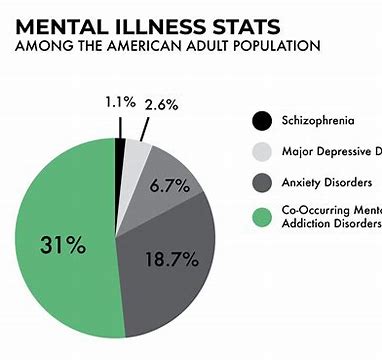
Mental health is a topic that is often stigmatized and not given the attention it deserves. However, it is prevalent in the United States, with one in five adults experiencing some form of mental illness. Mental health disorders can impact all areas of life, including intimate relationships.
Intimate relationships require vulnerability and trust, which can be challenging for individuals struggling with mental health disorders. Depression, anxiety, PTSD, and other mental illnesses can make it difficult to connect with partners on an emotional and physical level. It can also lead to feelings of shame and inadequacy, making it challenging to communicate effectively.
It’s essential to understand that mental health disorders are not a choice or a weakness. They are medical conditions that require proper treatment and support. Seeking professional help can improve symptoms and enhance the quality of life for individuals struggling with mental illness.
When it comes to intimacy, communication is key. Openly discussing mental health concerns with partners can help build trust and understanding. It’s crucial to establish boundaries and communicate needs effectively. This includes being honest about triggers or situations that may cause anxiety or panic attacks.
It’s also essential to prioritize self-care when dealing with mental health issues. Taking care of oneself physically, emotionally, and mentally can improve overall well-being and enhance intimacy in relationships.
Mental health disorders are prevalent in the United States and can impact intimate relationships significantly. Seeking professional help, communicating openly with partners, establishing boundaries, and prioritizing self-care are crucial steps towards improving intimacy in relationships while managing mental health concerns effectively. Let’s break the stigma surrounding mental illness and prioritize our well-being for healthier relationships.
How different types of mental health disorders can affect intimacy
Intimacy is an essential aspect of any relationship, and it plays a crucial role in maintaining a healthy bond between partners. However, mental health disorders can significantly impact intimacy, making it challenging for individuals to connect with their partners on a deeper level. Mental health disorders such as depression, anxiety, bipolar disorder, and schizophrenia can all affect intimacy in different ways.
Depression is a common mental health disorder that affects millions of people worldwide. It can make individuals feel sad, hopeless, and disconnected from the world around them. Depression can also impact intimacy by reducing libido and sexual desire. Individuals with depression may find it challenging to engage in sexual activity or may not enjoy it as much as they used to.
Anxiety is another mental health disorder that can impact intimacy. Anxiety can cause individuals to feel nervous, worried, or fearful about sexual activity. This fear can lead to avoidance of sexual activity or difficulty achieving orgasm during sex.
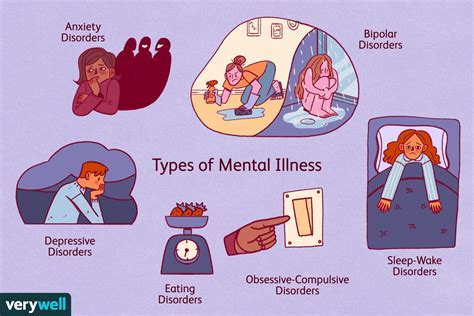
Bipolar disorder is a mood disorder characterized by extreme mood swings between manic episodes and depressive episodes. During manic episodes, individuals may experience hypersexuality and engage in risky sexual behavior. During depressive episodes, individuals may experience low libido and avoid sexual activity altogether.
Schizophrenia is a severe mental health disorder that affects an individual’s ability to think clearly and perceive reality accurately. Schizophrenia can impact intimacy by causing individuals to withdraw from social situations, including intimate relationships.
Tips for maintaining a healthy and fulfilling relationship despite having a mental illness.
Mental Health and Intimacy are two topics that are often not discussed together. However, it is important to understand that mental health can have a significant impact on one’s ability to maintain a fulfilling and healthy relationship. Mental illnesses such as depression, anxiety, bipolar disorder, and schizophrenia can affect one’s mood, behavior, and ability to communicate effectively with their partner.
If you or your partner is struggling with a mental illness, it is essential to seek professional help. Therapy and medication can help manage symptoms and improve communication skills. However, there are also several things you can do to maintain a healthy and fulfilling relationship despite having a mental illness.
Communication is key
Effective communication is the foundation of any healthy relationship. It is essential to be open and honest about your feelings, fears, and concerns with your partner. If you are struggling with a mental illness, it is important to communicate how it affects your mood and behavior.
Practice self-care
Taking care of yourself is crucial when dealing with a mental illness. Make sure you are getting enough sleep, eating well, exercising regularly, and taking time for yourself. When you take care of yourself, you will feel better both physically and mentally, which will strengthen your relationship.
Seek support
Having a support system is vital when dealing with a mental illness. Reach out to friends or family members who understand what you are going through, or join a support group in your community. Having someone to talk to who understands your struggles can make all the difference in maintaining a healthy relationship.
Be patient
Dealing with a mental illness can be challenging for both partners in a relationship. It is important to be patient with each other as you navigate through difficult times together. Remember that recovery takes time, but with patience and understanding from both partners, it is possible.
Conclusion
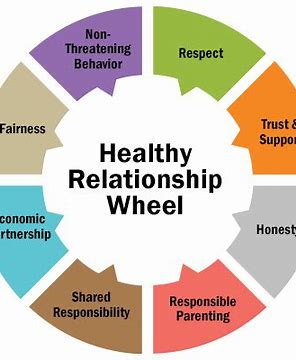
In conclusion, maintaining a healthy and fulfilling relationship despite having a mental illness requires effort from both partners. Effective communication, self-care, seeking support, and patience are essential for a successful relationship. Remember that mental health should not be a barrier to intimacy and love. Seek professional help, practice self-care, and communicate openly with your partner to maintain a healthy and fulfilling relationship.
Mental health disorders can significantly impact intimacy in different ways. It is essential for individuals with mental health disorders to seek treatment from qualified professionals to manage their symptoms effectively. With proper treatment and support, individuals with mental health disorders can maintain healthy intimate relationships with their partners.