

Introduction
Mental health is a topic that has been gaining more attention in recent years, and for good reason. The workplace can be a stressful environment, and it’s important to prioritize the mental well-being of employees.
As an employer or employee, it’s crucial to understand the impact that mental health at a office can have on productivity, job satisfaction, and overall quality of life. In this blog post, we’ll explore why mental health matters in the office and provide actionable tips for promoting a positive work environment. So if you’re ready to prioritize your mental health (or that of your team), keep reading!
https://chatkharanews.com/inspiring-career-paths-you-never-considered/
The prevalence of mental health issues in the workplace
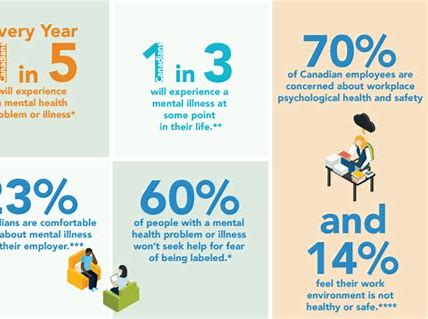
Mental health is a crucial aspect of our overall well-being, and it’s essential to prioritize it in every aspect of our lives. However, when it comes to the workplace, mental health is often overlooked or disregarded. The prevalence of mental health issues in the office is a growing concern that needs to be addressed.
According to a study conducted by the World Health Organization (WHO), depression and anxiety disorders cost the global economy $1 trillion each year in lost productivity. This staggering statistic highlights the importance of recognizing and addressing mental health issues in the workplace.
The workplace can be a stressful environment, with long hours, tight deadlines, and high-pressure situations. These factors can contribute to the development of mental health issues such as depression, anxiety, and burnout. It’s crucial for employers to create a supportive work environment that prioritizes employee well-being.
One way employers can address mental health in the office is by providing resources and support for employees who may be struggling. This can include access to counseling services, mental health days, and flexible work arrangements. By providing these resources, employers can help employees manage their mental health and reduce the risk of burnout.
Another way employers can address mental health in the office is by promoting open communication about mental health. This includes creating a culture where employees feel comfortable discussing their mental health concerns without fear of stigma or discrimination. Employers can also provide training for managers on how to recognize signs of mental distress in employees and how to offer support.
In conclusion, addressing mental health in the office should be a top priority for employers. By creating a supportive work environment that prioritizes employee well-being and promoting open communication about mental health, employers can help reduce the prevalence of mental health issues in the workplace. Let’s work together to create healthier workplaces where everyone feels valued and supported.
The effects of mental health issues at the office
Mental health is a crucial aspect of overall well-being, and it’s essential to address it in the workplace. The effects of mental health issues in the office can be detrimental not only to the individual but also to the team and the company as a whole. It’s time for employers to take mental health seriously and create an environment that promotes positive mental health.
One of the most significant effects of mental health issues in the workplace is decreased productivity. Employees who are struggling with their mental health may find it challenging to concentrate, stay focused, and complete tasks on time. This can lead to missed deadlines, poor quality work, and a decrease in overall productivity.
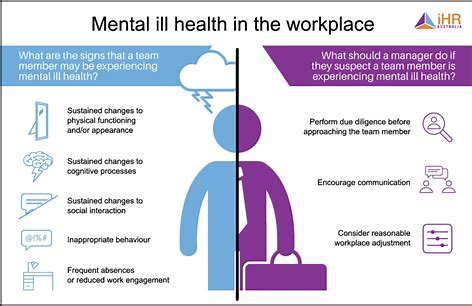
Another effect of mental health issues in the workplace is increased absenteeism. Employees who are struggling with their mental health may need time off from work to attend therapy sessions or doctor appointments. They may also need time off to manage their symptoms or take care of themselves. This can lead to increased absenteeism, which can impact team dynamics and workload distribution.
Mental health issues in the workplace can also lead to increased turnover rates. Employees who feel unsupported or stigmatized for their mental health struggles may leave their job in search of a more supportive work environment. This can be costly for companies as they have to spend time and resources recruiting and training new employees.
It’s clear that addressing mental health in the workplace is crucial for both employee well-being and business success. Employers should prioritize creating a culture that supports positive mental health by offering resources such as employee assistance programs, flexible work arrangements, and mental health days.
In conclusion, mental health issues in the workplace have significant effects on productivity, absenteeism, and turnover rates. Employers must take action to promote positive mental health by providing resources and support for employees struggling with their mental well-being. By doing so, they can create a healthier work environment that benefits everyone involved.
The solutions to mental health issues in the workplace
As we have seen, mental health issues can be detrimental to both employees and the company as a whole. However, there are solutions that can be implemented to address these issues in the workplace.
Firstly, it is important for employers to create a culture of openness and support. This means encouraging employees to speak up about their mental health concerns without fear of stigma or discrimination. Employers should also provide access to resources such as counseling services or employee assistance programs.
Secondly, employers should prioritize work-life balance by promoting flexible schedules and encouraging employees to take breaks throughout the day. This can help reduce stress levels and prevent burnout.
Thirdly, it is crucial for employers to address any sources of workplace stress or conflict. This may involve improving communication channels, providing training on conflict resolution, or addressing any toxic behaviors within the workplace.
Lastly, employers should prioritize education and awareness around mental health issues. This can involve providing training on mental health awareness and how to support colleagues who may be struggling with their mental health.
Conclusion
In conclusion, addressing mental health issues in the workplace is not only beneficial for employees but also for the company’s bottom line. By implementing solutions such as creating a supportive culture, promoting work-life balance, addressing sources of stress and conflict, and prioritizing education and awareness around mental health issues, companies can create a healthier and more productive workplace for all employees.